

OSHA Discovers Illinois Workers in Unprotected Trench
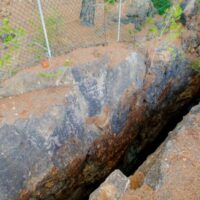
On October 23rd, 2026, Occupational Health & Safety reported that an Illinois contractor had been cited by OSHA due to a workplace incident regarding an unprotected trench. If you were injured while working in a trench, a safety violation may have been to blame. Consider expanding on this conversation with an Illinois workers’ compensation lawyer.
Trench Had “No Safe Way Out”
After inspecting the trench, OSHA determined that there was no safe way out for workers. The trench, which sat on a construction site in Frankfort, also lacked any cave-in protections. Officials noted that the trench was more than eight feet deep, and they noticed that the workers operating within were not wearing hard hats. Finally, excavated material and construction equipment were too close to the edge of the trench, posing even more of a risk to the workers down below.
The contractor in question was apparently a repeat violator, meaning that this was not the first time the company had received OSHA citations. Fortunately, no one was injured. However, this situation could have been much, much worse if OSHA had not acted so quickly. The contractor is now facing almost $400,000 in OSHA-related financial penalties.
Why Are Unprotected Trenches So Dangerous?
Unprotected trenches are dangerous because of the risk of cave-ins. These incidents are much more common than many workers (and contractors) realize. Once a deep trench caves in, the workers within may be completely covered in soil and other debris. If co-workers and safety personnel do not pull these workers out of the trench within a few minutes, they may suffocate and die. Even if the buried workers are eventually pulled out by their co-workers, the lack of oxygen can easily lead to permanent brain damage and other issues.
A relatively small amount of excavated soil weighs thousands of pounds. Once a worker is buried underneath that much dirt, it can be almost impossible to dig them out. Trench walls can collapse without warning, and there simply isn’t enough time to save everyone when something like this happens. This is why so many OSHA regulations exist regarding trenches.
Another major safety hazard associated with trenches is carbon monoxide and carbon dioxide poisoning. Carbon dioxide is heavier than air, which means it sinks to the bottom of a trench and accumulates over time. Without warning, workers operating in trenches may suddenly collapse or suffocate from carbon dioxide poisoning. Other gases pose similar hazards, such as hydrogen sulfide.
Can an Illinois Workers’ Compensation Lawyer Help Me?
A workers’ compensation lawyer in Illinois may be able to help you access fair compensation if you were injured while working in an unprotected trench. These kinds of incidents are all too common in Illinois, and they can kill or severely injure innocent workers. Speak with Connolly Injury Law about covering your lost wages and medical bills.
Sources:
- https://ohsonline.com/articles/2026/10/23/osha-cites-illinois-utility-contractor-after-workers-seen-in-unprotected-trench.aspx
- https://www.cdc.gov/niosh/trenching/about/index.html